
The Complete Guide to TENS Unit Safety & Effectiveness
Introduction: What is TENS Therapy?
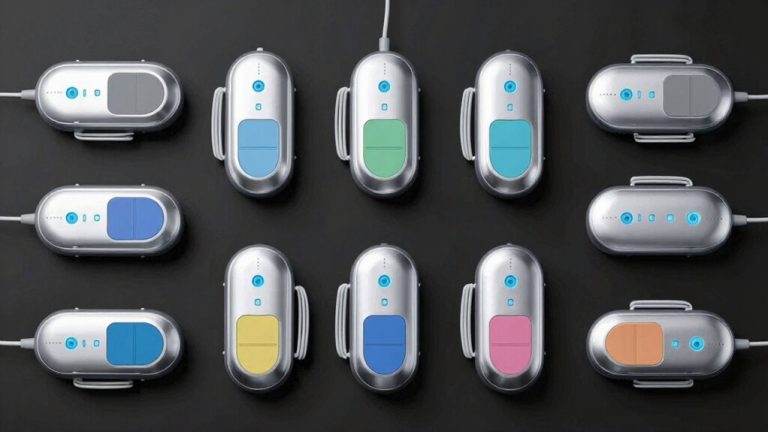
TENS Unit Safety & Effectiveness | Healthcare providers have utilized electricity for pain management since the mid-1960s. Transcutaneous Electrical Nerve Stimulation (TENS) is a noninvasive therapy that delivers a low-voltage electrical current to the body to block or alter the perception of pain. The modern iteration of the TENS unit is credited to American neurosurgeon Dr. C. Norman Shealy, who developed the device to treat conditions like migraines and back pain. Today, these units are compact, battery-powered devices small enough to fit in a pocket, making them a popular choice for noninvasive therapy. While they are FDA regulated and often used in clinical settings, they are also available for home use via prescription or as an over-the-counter (OTC) device.
How TENS Works: The Science of Pain Suppression
There are two primary theories regarding how TENS manages pain. The Gate Control Theory suggests that electrical impulses flood the nervous system, reducing its ability to transmit pain signals to the spinal cord and brain. Essentially, the brain can only process a limited amount of information; the TENS signal acts as a “distraction” that prevents the pain message from getting through. The second theory involves the release of endorphins, the body’s natural pain-killing chemicals, which are triggered by the electrical current.
On a deeper level, TENS modulates voltage-gated sodium channels in peripheral nerves, inhibiting the neurotransmission of nociceptors. High-frequency stimulation (over 50 Hz) creates a sensation of paresthesia without muscle contraction, while low frequencies can induce muscle twitching. A critical factor often overlooked is the interaction with medication. Research indicates that low-frequency TENS is mediated by μ-opioid receptors, meaning its effectiveness may be blunted in patients currently taking opioid medications.
Common Uses and Treated Conditions
TENS is used to treat a wide variety of chronic pain and acute conditions. It is particularly noted for its effectiveness in managing nerve pain, such as diabetic neuropathy and spinal cord injuries. Other common applications include:
- Arthritis relief and joint pain.
- Fibromyalgia treatment to reduce fatigue and hyperalgesia.
- Postoperative pain management, which can lead to a 36% reduction in opiate use if parameters are set correctly.
- Labor pain and period pain.
- Sports injuries, tendonitis, and bursitis.
While TENS is effective for peripheral pain, it is generally not considered effective for pain of central origin, such as certain types of headaches. Furthermore, while some research suggests it may help with cancer-related nerve pain, experts agree that significantly more research is needed before it can be recommended as a standard cancer treatment.
Operating Your TENS Unit: Settings and Techniques
A TENS system typically consists of the unit, lead wires, and electrode pads. To begin treatment, pads are placed on clean, dry skin near the site of pain, usually at least one inch apart. Users must adjust three primary settings:
- Intensity: The strength of the stimulation, which should be “strong but comfortable”.
- Pulse Frequency: The number of pulses per second (Hz). High frequency is often used for acute pain, while low frequency is for chronic pain.
- Pulse Duration: How long the current enters the skin during each pulse.
For maximum benefit, TENS should be used while the patient is active (e.g., walking or doing chores) rather than resting. Many users find that placing electrodes on specific acupuncture points enhances the production of endorphins and improves pain outcomes.
Critical Safety Warnings and Contraindications
Safety is paramount when using electrical stimulation. The unit must always be turned off before applying or removing pads to avoid accidental shocks to the fingers. You should never place electrodes on the:
- Eyes or Brain: This can increase internal eye pressure or cause unknown cerebral effects.
- Front of the Throat: This may cause muscle spasms in the larynx or pharyngeal muscles.
- Heart or Both Sides of the Chest: To avoid pacemaker interference or disrupting heart rhythms.
- Spine: Pads should surround the area of pain, not sit directly on the backbone.
Contraindications include individuals with cardiac defibrillators, pacemakers, or metal implants. People with epilepsy should avoid placement on the head or neck to prevent seizures. TENS can induce uterine contractions; therefore, it is contraindicated during pregnancy except when used specifically for pain management during active labor.
Maintenance and Troubleshooting
Proper battery maintenance is essential; if using rechargeable nickel-cadmium batteries, they should be fully depleted before recharging to avoid “memory” issues. Electrode pads can be reused until the adhesive wears out. If pads lose their stickiness, you can sometimes “reactivate” them by rubbing a drop of water on the surface. To protect the device, do not bend lead wires tightly, and store everything in a cool, dry place. If the pads slip due to sweat or oils, specialized skin prep products can be used to help the adhesive bond more effectively.
Clinical Efficacy and Research Outlook
While TENS provides immediate relief for many, research on its long-term relief is inconsistent. One common issue is analgesic tolerance, where the body becomes accustomed to the stimulation and the pain relief fades. To combat this, users are encouraged to vary the frequency (switching between high and low) or take a treatment break of 3 to 5 days. Insurance coverage is not guaranteed, as many providers do not routinely cover TENS units; it is advised to check your specific policy for “medical necessity” requirements.
Visit: Top 10 Best TENS Units for Pain Relief in 2026
Tips Worth Mentioning
- Travel Regulations: When traveling with a TENS unit, keep it in your carry-on bag. The TSA typically allows these devices, but the lithium batteries must be protected from short-circuiting.
- Mental Health: Emerging research is exploring “Cranial Electrotherapy Stimulation” (related to TENS) for anxiety and insomnia, though this is distinct from standard pain-relief TENS.
- Environmental Impact: Electrode pads are not recyclable due to the adhesives and gels. To minimize waste, choose high-quality pads that last for 20-30 applications.
Frequently Asked Questions (FAQ)
Does TENS actually cure the cause of pain?
No, TENS is a symptomatic treatment that suppresses pain sensations; it has no curative value for the underlying condition.
Can I use a TENS unit while driving?
No, it is strictly recommended to avoid using the device while driving, operating machinery, or bathing.
Is it okay if my muscles twitch during use?
Yes, muscle twitching is normal, especially at low frequencies, but it should not be uncomfortable or last longer than 30 minutes to avoid muscle fatigue.
How long does the relief last?
Relief varies; some feel pain return immediately after turning off the device, while others have relief for up to 24 hours.
Can I share my electrode pads with a family member?
No, for hygiene reasons and to ensure proper adhesion, do not share pads with others.
Are there any side effects?
Side effects are rare but can include skin irritation, allergic reactions to adhesives, or minor burns if intensity is too high.
Learn More:
Browse Fitness & Wellness Roundups
Top-Rated Massage Guns